Buy lyh.eu ?
We are moving the project
lyh.eu .
Are you interested in purchasing the domain
lyh.eu ?
domain@kv-gmbh.de · 0541-91531010
Buy lyh.eu ?
How are health insurance debts included in the private insolvency estate?
Health insurance debts are included in the private insolvency estate as unsecured debts. This means that they are treated like other unsecured debts such as credit card bills or personal loans. During the insolvency process, the appointed trustee will assess the individual's financial situation and distribute any available funds to creditors, including health insurance debts, based on a predetermined hierarchy of payments. In some cases, health insurance debts may be discharged or partially forgiven as part of the insolvency proceedings. **
Who distributes the estate?
The estate is typically distributed by the executor or personal representative of the deceased person's will. This individual is responsible for carrying out the instructions outlined in the will and ensuring that the assets are distributed according to the deceased person's wishes. If there is no will, the estate will be distributed according to the laws of intestacy, which determine how assets are divided among surviving family members. **


Similar search terms for Estate
Top-Angebote
Products related to Estate:
-
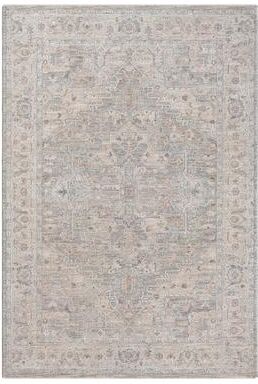
Terra by Obeetee Estate Medallion RugTerra by Obeetee redefines timeless craftsmanship for the modern world. Rooted in the rich traditions of old-world textile artistry and elevated by innovative manufacturing techniques, Terra brings together heritage and modernity in every piece.299,99 $*Shipping: 0,00 $Secure redirect to the provider
-
FloorPops Estate Peel & Stick Floor TilesThis intricate medallion pattern brings the look of a freshly tiled floor. Featuring taupe hues, this peel and stick floor tile has a fresh and modern style. Estate Peel and Stick Floor Tiles contains 10 pieces on 10 sheets that measure 12 x 12 inches.31,98 $*Shipping: 0,00 $Secure redirect to the provider



-
What is the difference between real estate economics and real estate management?
Real estate economics focuses on the broader economic factors that influence the real estate market, such as supply and demand, interest rates, and economic trends. It involves analyzing market trends, forecasting future market conditions, and understanding the impact of economic policies on real estate. On the other hand, real estate management involves the day-to-day operations and oversight of real estate properties. This includes tasks such as property maintenance, tenant relations, lease agreements, and maximizing the value of the property. In essence, real estate economics deals with the macroeconomic factors affecting the real estate market, while real estate management deals with the micro-level operational aspects of individual properties. **
-
What is the difference between real estate management and real estate business?
Real estate management involves the day-to-day operation and maintenance of properties, including tasks such as rent collection, property maintenance, and tenant relations. On the other hand, real estate business refers to the buying, selling, and development of properties for profit. Real estate management focuses on the operational aspects of properties, while real estate business involves the strategic and financial aspects of property transactions. Both are important components of the real estate industry, but they have different focuses and responsibilities. **
-
Who has experience in studying real estate management and real estate management?
Individuals who have studied real estate management and have experience in the field include real estate agents, property managers, real estate developers, and real estate investors. These professionals have typically completed education and training in real estate management, and have gained practical experience through working in the industry. They are knowledgeable about property valuation, market analysis, property law, finance, and property management. Their expertise allows them to effectively manage and maximize the value of real estate assets. **
-
How can one become a real estate appraiser from a real estate agent?
To become a real estate appraiser from a real estate agent, one would need to meet the educational and experience requirements set by their state's real estate appraiser licensing board. This typically includes completing a certain number of appraisal courses, gaining a certain amount of appraisal experience, and passing a state licensing exam. While being a real estate agent can provide valuable knowledge of the industry, becoming a real estate appraiser requires a different set of skills and expertise in property valuation. It may be beneficial to seek mentorship or additional training in the appraisal field to make a successful transition from real estate agent to real estate appraiser. **


Are banks real estate companies?
No, banks are not real estate companies. Banks are financial institutions that provide a range of financial services, including accepting deposits, lending money, and facilitating financial transactions. Real estate companies, on the other hand, are businesses that buy, sell, manage, or invest in real estate properties. While banks may offer real estate-related services such as mortgages and loans for property purchases, their primary focus is on financial services rather than real estate transactions. **
What is real estate ownership?
Real estate ownership refers to the legal right to possess, use, and dispose of a property. It involves having control over a piece of land, building, or any other structure. Real estate ownership can be in the form of owning the property outright or through a mortgage. It also comes with responsibilities such as paying property taxes, maintenance costs, and complying with local regulations. **
Top-Angebote
Products related to Estate:
-
Hh2 Home Luca Bella Cabinet Estate Mahogany , Estate MahoganyThe stately Luca Bella Four-Drawer Storage Cabinet will perfectly complement a variety of decor themes. Wooden storage cabinet with shaped front features an estate mahogany finish and has four drawers with crackled pecan fronts adorned with...499,00 $*Shipping: 69,86 $Secure redirect to the provider
-
Fourth Estate Fat Chance: The Hidden Truth About Sugar, Obesity and Disease by Dr. Robert Lustig - Paperback - Public Health & Nutrition BookFat Chance: The Hidden Truth About Sugar, Obesity and Disease is Dr Robert Lustig's exposé of how sugar has quietly infiltrated the modern diet and reshaped public health. Drawing on decades of clinical research as a paediatric endocrinologist, Lustig dismantles the myth that 'a calorie is a calorie,' revealing why sugar itself drives obesity, diabetes and chronic disease. This paperback is a must-read for anyone wanting to understand the impact of sugar on public health. About the book, sugar is toxic, addictive and virtually inescapable in the modern food supply. Dr Robert Lustig argues that our reliance on processed convenience food is directly responsible for soaring rates of obesity, type 2 diabetes and a wide catalogue of related diseases. Published by Fourth Estate Ltd, this book is a landmark exposé that goes further than typical diet books, offering a comprehensive look at the effects of sugar on our health.2,49 £*Shipping: 2,99 £Secure redirect to the provider
-
Terra by Obeetee Estate Medallion RugTerra by Obeetee redefines timeless craftsmanship for the modern world. Rooted in the rich traditions of old-world textile artistry and elevated by innovative manufacturing techniques, Terra brings together heritage and modernity in every piece.299,99 $*Shipping: 0,00 $Secure redirect to the provider
-
How are health insurance debts included in the private insolvency estate?
Health insurance debts are included in the private insolvency estate as unsecured debts. This means that they are treated like other unsecured debts such as credit card bills or personal loans. During the insolvency process, the appointed trustee will assess the individual's financial situation and distribute any available funds to creditors, including health insurance debts, based on a predetermined hierarchy of payments. In some cases, health insurance debts may be discharged or partially forgiven as part of the insolvency proceedings. **
-
Who distributes the estate?
The estate is typically distributed by the executor or personal representative of the deceased person's will. This individual is responsible for carrying out the instructions outlined in the will and ensuring that the assets are distributed according to the deceased person's wishes. If there is no will, the estate will be distributed according to the laws of intestacy, which determine how assets are divided among surviving family members. **
-
What is the difference between real estate economics and real estate management?
Real estate economics focuses on the broader economic factors that influence the real estate market, such as supply and demand, interest rates, and economic trends. It involves analyzing market trends, forecasting future market conditions, and understanding the impact of economic policies on real estate. On the other hand, real estate management involves the day-to-day operations and oversight of real estate properties. This includes tasks such as property maintenance, tenant relations, lease agreements, and maximizing the value of the property. In essence, real estate economics deals with the macroeconomic factors affecting the real estate market, while real estate management deals with the micro-level operational aspects of individual properties. **
-
What is the difference between real estate management and real estate business?
Real estate management involves the day-to-day operation and maintenance of properties, including tasks such as rent collection, property maintenance, and tenant relations. On the other hand, real estate business refers to the buying, selling, and development of properties for profit. Real estate management focuses on the operational aspects of properties, while real estate business involves the strategic and financial aspects of property transactions. Both are important components of the real estate industry, but they have different focuses and responsibilities. **
Similar search terms for Estate
-
FloorPops Estate Peel & Stick Floor TilesThis intricate medallion pattern brings the look of a freshly tiled floor. Featuring taupe hues, this peel and stick floor tile has a fresh and modern style. Estate Peel and Stick Floor Tiles contains 10 pieces on 10 sheets that measure 12 x 12 inches.31,98 $*Shipping: 0,00 $Secure redirect to the provider
-
"Red Vanilla Country Estate White Service Platter 13"""The platter is ideal for serving your favorite meals. The platter can also be used as an appetizer plate or dessert plate to show off your cooking expertise. Features: 1 Platter included.32,36 $*Shipping: 0,00 $Secure redirect to the provider
-
Who has experience in studying real estate management and real estate management?
Individuals who have studied real estate management and have experience in the field include real estate agents, property managers, real estate developers, and real estate investors. These professionals have typically completed education and training in real estate management, and have gained practical experience through working in the industry. They are knowledgeable about property valuation, market analysis, property law, finance, and property management. Their expertise allows them to effectively manage and maximize the value of real estate assets. **
-
How can one become a real estate appraiser from a real estate agent?
To become a real estate appraiser from a real estate agent, one would need to meet the educational and experience requirements set by their state's real estate appraiser licensing board. This typically includes completing a certain number of appraisal courses, gaining a certain amount of appraisal experience, and passing a state licensing exam. While being a real estate agent can provide valuable knowledge of the industry, becoming a real estate appraiser requires a different set of skills and expertise in property valuation. It may be beneficial to seek mentorship or additional training in the appraisal field to make a successful transition from real estate agent to real estate appraiser. **
-
Are banks real estate companies?
No, banks are not real estate companies. Banks are financial institutions that provide a range of financial services, including accepting deposits, lending money, and facilitating financial transactions. Real estate companies, on the other hand, are businesses that buy, sell, manage, or invest in real estate properties. While banks may offer real estate-related services such as mortgages and loans for property purchases, their primary focus is on financial services rather than real estate transactions. **
-
What is real estate ownership?
Real estate ownership refers to the legal right to possess, use, and dispose of a property. It involves having control over a piece of land, building, or any other structure. Real estate ownership can be in the form of owning the property outright or through a mortgage. It also comes with responsibilities such as paying property taxes, maintenance costs, and complying with local regulations. **
* All prices are inclusive of VAT and, if applicable, plus shipping costs. The offer information is based on the details provided by the respective shop and is updated through automated processes. Real-time updates do not occur, so deviations can occur in individual cases. ** Note: Parts of this content were created by AI.