Buy lyh.eu ?
We are moving the project
lyh.eu .
Are you interested in purchasing the domain
lyh.eu ?
domain@kv-gmbh.de · 0541-91531010
Buy lyh.eu ?
What are trophic levels and trophic structures?
Trophic levels refer to the hierarchical levels in an ecosystem through which energy and nutrients flow. They represent the feeding positions of different organisms in a food chain or food web. Trophic structures, on the other hand, describe the organization of these trophic levels within an ecosystem. This includes the distribution of energy and nutrients among different organisms, as well as the interactions and relationships between them. Overall, trophic levels and trophic structures are important concepts for understanding the flow of energy and nutrients in ecosystems and the dynamics of food chains and food webs. **
Are trophic levels and trophic levels the same in biology?
No, trophic levels and trophic levels are not the same in biology. Trophic levels refer to the hierarchical levels in an ecosystem based on an organism's position in the food chain, such as producers, primary consumers, secondary consumers, etc. On the other hand, trophic cascades are the indirect effects that occur when a change in one trophic level impacts other trophic levels in the ecosystem. Both concepts are important in understanding the dynamics of energy flow and interactions within ecosystems. **

Similar search terms for Trophic
Top-Angebote
Products related to Trophic:
-
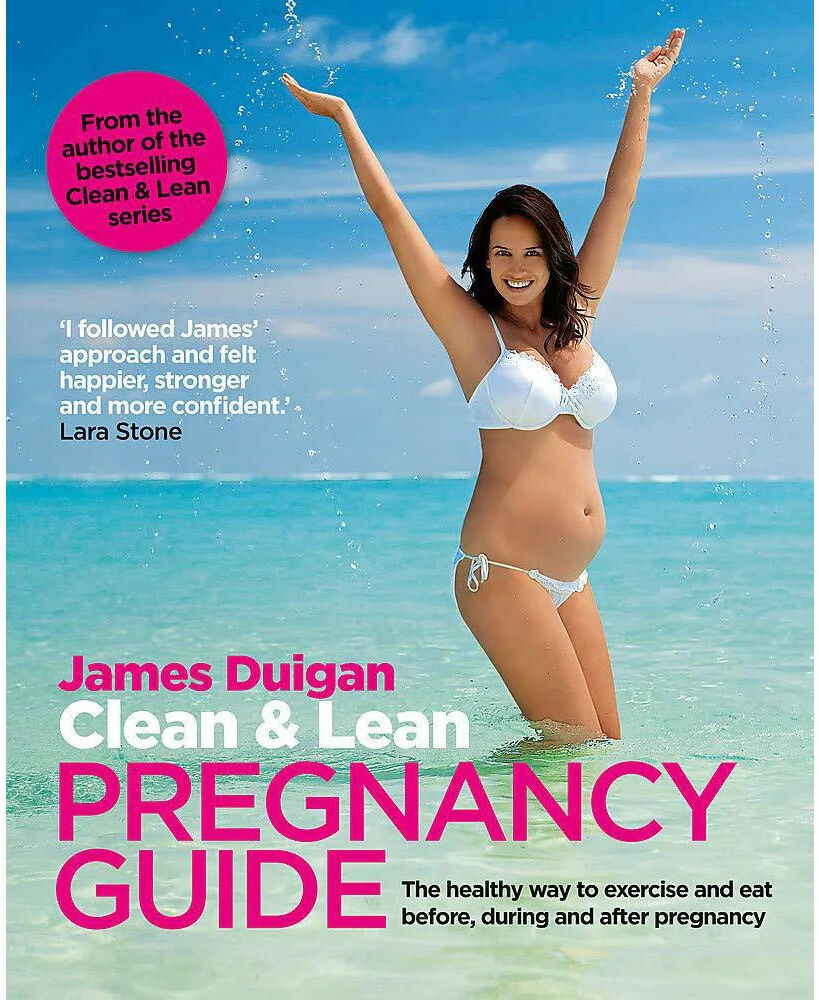
Kyle Books Clean & Lean Pregnancy Guide by James Duigan - Paperback Wellness Book - Fertility, Pregnancy & Post-Natal Exercise & Nutrition GuideThe Clean and Lean Pregnancy Guide by James Duigan is a health and wellness book that applies his popular Clean and Lean philosophy to the journey of becoming a mother. Covering fertility, pregnancy, and the post-natal period, this paperback guide offers gentle, trimester-appropriate exercises and straightforward eating advice for every stage. Written with warmth and drawn from Duigan's own experience as a first-time parent, it is designed to help expectant mothers feel strong, calm, and well-supported from bump to baby and beyond. The book includes a foreword by model Lara Stone and is published by Kyle Books.2,99 £*Shipping: 2,99 £Secure redirect to the provider
-
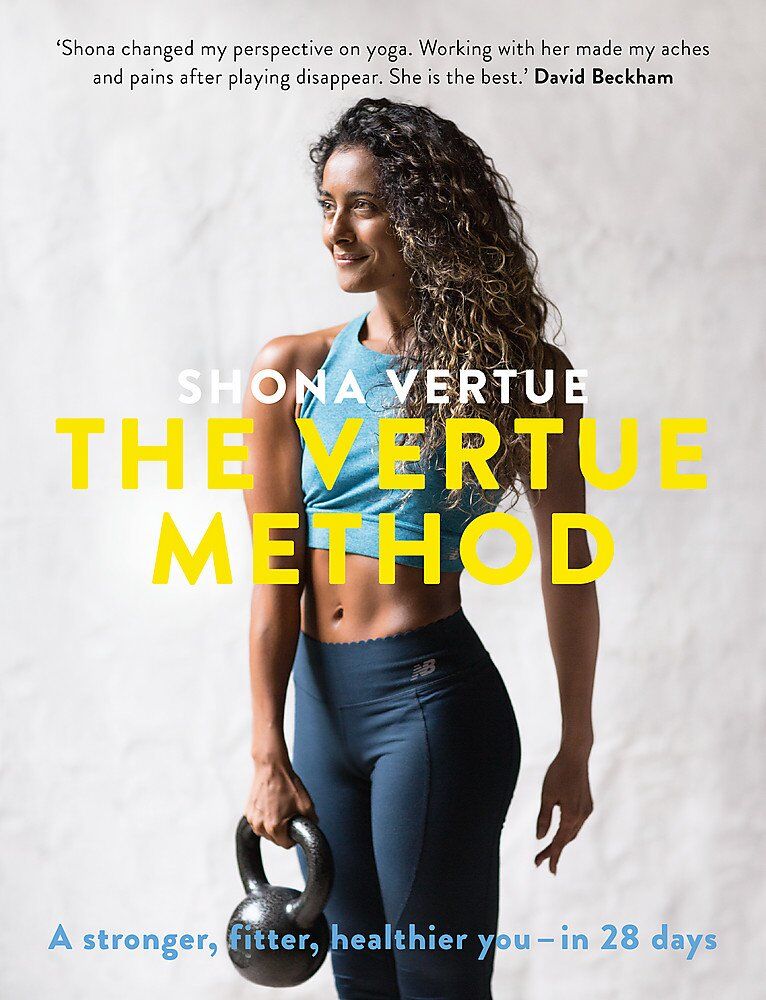
Yellow Kite The Vertue Method by Shona Vertue - Paperback - 28-Day Fitness, Yoga & Nutrition Plan - Health & Fitness BookGet fit and feel great with The Vertue Method, a 28-day plan from celebrity personal trainer and yoga teacher Shona Vertue. This practical system combines resistance training, yoga, and mindful eating to help you build strength, flexibility, and calm in body and mind. The book is designed for anyone who has tried fitness fads without lasting results, offering a realistic and sustainable route to a healthier you. Shona Vertue's expertise is distilled into a clear, structured 28-day plan that can be followed at home or in the gym. The book's signature 'three-in-one' approach combines weighted resistance training to build lean muscle and boost metabolism, yoga sequences to improve flexibility and lengthen tight muscles, and mindful eating to promote a balanced diet. With The Vertue Method, you can achieve a stronger, fitter, and healthier you in just 28 days.13,99 £*Shipping: 2,99 £Secure redirect to the provider
-
Healfit Counter Respirator Fitness Equipment, Breathing Trainer Mouthpiece, Lung Exercise Tool For Household Health Care Respirator Fitness Equipment, Breathing Trainer Mouthpiece, Lung Exercise Tool For Household Health CareEnhance your fitness and stamina with the Breathing Trainer Exercise Lung Face Mouthpiece Respirator Fitness Equipmentyour compact solution for improving lung performance and endurance. Designed for athletes, fitness enthusiasts, and anyone looking...27,97 $*Shipping: 0,00 $Secure redirect to the provider
-
Penguin Life Eat Yourself Healthy by Dr Megan Rossi - Gut Health & Nutrition Guide - Paperback - IBS, Bloating & Digestive Wellness RecipesDiscover the simple guide to a healthier you with Eat Yourself Healthy by Dr Megan Rossi. This accessible book explains how the trillions of microbes in your digestive system influence your energy levels, skin, mood, and immunity. Whether you're battling bloating, IBS, or just want to feel better from the inside out, Dr Rossi's practical advice and delicious gut-boosting recipes will help you take control of your gut health. Drawing on her decade of clinical experience and the latest scientific research, Dr Rossi demystifies the gut microbiome and shows you how to nurture it for long-term wellbeing. This book covers common digestive complaints such as IBS, bloating, and food intolerance, providing you with the knowledge and tools to make informed choices about your diet and lifestyle. Written by Dr Megan Rossi, a leading expert in gut health, Eat Yourself Healthy is a must-read for anyone looking to improve their overall health and wellbeing.14,99 £*Shipping: 2,99 £Secure redirect to the provider


-
Are trophic levels and trophic levels the same thing in biology?
No, "trophic levels" and "trophic levels" are not the same thing in biology. "Trophic levels" refer to the hierarchical levels in an ecosystem based on an organism's position in the food chain, such as producers, primary consumers, secondary consumers, and so on. On the other hand, "trophic levels" appears to be a typographical error or a repetition of the term "trophic levels." In biology, it is important to use accurate and specific terminology to avoid confusion and miscommunication. **
-
Why do organisms become larger from trophic level to trophic level?
Organisms become larger from trophic level to trophic level due to the efficiency of energy transfer in ecosystems. As energy is transferred from one trophic level to the next, there is a loss of energy in the form of heat and metabolic processes. Larger organisms are able to consume more energy-rich food sources and have a more efficient metabolism, allowing them to grow in size as they move up the food chain. Additionally, larger organisms are better equipped to capture and consume prey, giving them a competitive advantage in obtaining energy and resources. **
-
Why do organisms get larger from trophic level to trophic level?
Organisms tend to get larger from one trophic level to the next because as energy is transferred up the food chain, there is a loss of energy at each level. This means that organisms at higher trophic levels need to consume larger quantities of organisms from lower trophic levels to obtain enough energy to sustain themselves. Additionally, larger organisms are more efficient at capturing and consuming prey, allowing them to thrive at higher trophic levels. Finally, larger organisms have a lower surface area to volume ratio, which helps them retain heat and energy more effectively. **
-
Why does the biomass decrease from trophic level to trophic level?
Biomass decreases from trophic level to trophic level because energy is lost as it moves through the food chain. Organisms at each trophic level use some of the energy they consume for their own metabolic processes, such as respiration and movement, and the rest is lost as heat. This means that there is less energy available to be passed on to the next trophic level, resulting in a decrease in biomass. Additionally, not all of the energy from one trophic level is consumed by the next level, as some is lost through waste and uneaten parts of organisms. **

What are trophic levels in biology?
Trophic levels in biology refer to the hierarchical levels in an ecosystem where organisms are grouped based on their feeding relationships. The primary producers, such as plants, are at the base of the trophic levels as they convert sunlight into energy through photosynthesis. Herbivores that feed on plants are at the next level, followed by carnivores that eat herbivores. Each trophic level represents a transfer of energy and nutrients through the ecosystem, with energy decreasing as it moves up the levels. **
What is the trophic level of omnivores?
Omnivores are organisms that consume both plants and animals, so their trophic level can vary. When they consume plants, they are considered primary consumers (herbivores) and when they consume animals, they are considered secondary consumers (carnivores). This means that omnivores can occupy multiple trophic levels within a food web, depending on their diet. **
Top-Angebote
Products related to Trophic:
-
HarperCollins Children's Books Fitter, Healthier, Happier! by Joe Wicks - Illustrated Kids' Health & Fitness Book - Ages 7-11 - Paperback - Exercise, Nutrition, Sleep & MindsetGet fit, feel happy, and be healthy with this fun and easy-to-understand guide for kids aged 7-11. Written by global fitness phenomenon Joe Wicks, this fully illustrated paperback explains how the body works, why movement matters, how to eat well, and how sleep and mindset support wellbeing. It's perfect for curious young readers who want to learn about staying healthy and happy at home or in the classroom. Learn all about your body and mind with this dynamic, fact-filled children's book from Joe Wicks, best known for his energetic and encouraging style in PE with Joe and Activate.4,99 £*Shipping: 2,99 £Secure redirect to the provider
-
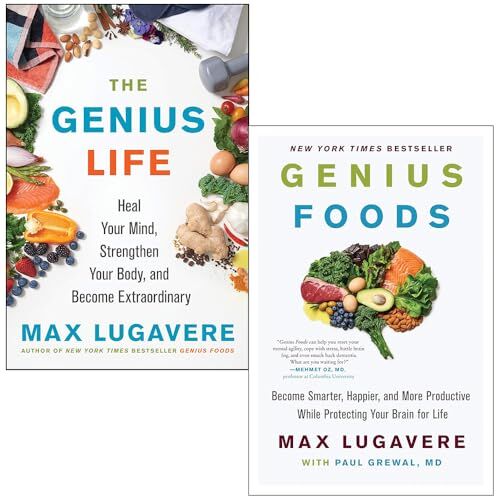
Harper ltd Max Lugavere 2 Book Set – Genius Foods & The Genius Life Brain Health, Nutrition & Wellness CollectionMax Lugavere 2-Book Collection Set (The Genius Life & Genius Foods – Nutrition, Health, Wellness, Diet, Brain & Body Health, Self-Help & Fitness) The Genius Life: Heal Your Mind, Strengthen Your Body, and Become Extraordinary: Supporting the work of Battersea Dogs and Cats Home.Enjoy a heartwarming dog to brighten every single day of the year. From Pickles, the dog who single-handedly saved the 1966 world cup, to Pal, who found silver screen fame as the original Lassie, Battersea's A Dog a Day contains 365 fascinating stories of dogs to enjoy throughout the year.Beautifully packaged and illustrated throughout with charming illustrations of cheeky puppies and hounds, this is the perfect book for any lover of our four-legged friends. Genius Foods: Become Smarter, Happier, and More Productive While Protecting Your Brain for Life: After his mother was diagnosed with a mysterious form of dementia, Max Lugavere put his successful media career on hold to learn everything he could about brain health and performance. For the better half of a decade, he consumed the most up-to-date scientific research, talked to dozens of leading scientists and clinicians around the world, and visited the country’s best neurology departments—all in the hopes of understanding his mother’s condition.Now, in Genius Foods, Lugavere presents a comprehensive guide to brain optimization. He uncovers the stunning link between our dietary and lifestyle choices and our brain functions, revealing how the foods you eat directly affect your ability to focus, learn, remember, create, analyze new ideas, and maintain a balanced mood.12,95 £*Shipping: 2,99 £Secure redirect to the provider
-
Kyle Books Clean & Lean Pregnancy Guide by James Duigan - Paperback Wellness Book - Fertility, Pregnancy & Post-Natal Exercise & Nutrition GuideThe Clean and Lean Pregnancy Guide by James Duigan is a health and wellness book that applies his popular Clean and Lean philosophy to the journey of becoming a mother. Covering fertility, pregnancy, and the post-natal period, this paperback guide offers gentle, trimester-appropriate exercises and straightforward eating advice for every stage. Written with warmth and drawn from Duigan's own experience as a first-time parent, it is designed to help expectant mothers feel strong, calm, and well-supported from bump to baby and beyond. The book includes a foreword by model Lara Stone and is published by Kyle Books.2,99 £*Shipping: 2,99 £Secure redirect to the provider
-
Yellow Kite The Vertue Method by Shona Vertue - Paperback - 28-Day Fitness, Yoga & Nutrition Plan - Health & Fitness BookGet fit and feel great with The Vertue Method, a 28-day plan from celebrity personal trainer and yoga teacher Shona Vertue. This practical system combines resistance training, yoga, and mindful eating to help you build strength, flexibility, and calm in body and mind. The book is designed for anyone who has tried fitness fads without lasting results, offering a realistic and sustainable route to a healthier you. Shona Vertue's expertise is distilled into a clear, structured 28-day plan that can be followed at home or in the gym. The book's signature 'three-in-one' approach combines weighted resistance training to build lean muscle and boost metabolism, yoga sequences to improve flexibility and lengthen tight muscles, and mindful eating to promote a balanced diet. With The Vertue Method, you can achieve a stronger, fitter, and healthier you in just 28 days.13,99 £*Shipping: 2,99 £Secure redirect to the provider
-
What are trophic levels and trophic structures?
Trophic levels refer to the hierarchical levels in an ecosystem through which energy and nutrients flow. They represent the feeding positions of different organisms in a food chain or food web. Trophic structures, on the other hand, describe the organization of these trophic levels within an ecosystem. This includes the distribution of energy and nutrients among different organisms, as well as the interactions and relationships between them. Overall, trophic levels and trophic structures are important concepts for understanding the flow of energy and nutrients in ecosystems and the dynamics of food chains and food webs. **
-
Are trophic levels and trophic levels the same in biology?
No, trophic levels and trophic levels are not the same in biology. Trophic levels refer to the hierarchical levels in an ecosystem based on an organism's position in the food chain, such as producers, primary consumers, secondary consumers, etc. On the other hand, trophic cascades are the indirect effects that occur when a change in one trophic level impacts other trophic levels in the ecosystem. Both concepts are important in understanding the dynamics of energy flow and interactions within ecosystems. **
-
Are trophic levels and trophic levels the same thing in biology?
No, "trophic levels" and "trophic levels" are not the same thing in biology. "Trophic levels" refer to the hierarchical levels in an ecosystem based on an organism's position in the food chain, such as producers, primary consumers, secondary consumers, and so on. On the other hand, "trophic levels" appears to be a typographical error or a repetition of the term "trophic levels." In biology, it is important to use accurate and specific terminology to avoid confusion and miscommunication. **
-
Why do organisms become larger from trophic level to trophic level?
Organisms become larger from trophic level to trophic level due to the efficiency of energy transfer in ecosystems. As energy is transferred from one trophic level to the next, there is a loss of energy in the form of heat and metabolic processes. Larger organisms are able to consume more energy-rich food sources and have a more efficient metabolism, allowing them to grow in size as they move up the food chain. Additionally, larger organisms are better equipped to capture and consume prey, giving them a competitive advantage in obtaining energy and resources. **
Similar search terms for Trophic
-
Healfit Counter Respirator Fitness Equipment, Breathing Trainer Mouthpiece, Lung Exercise Tool For Household Health Care Respirator Fitness Equipment, Breathing Trainer Mouthpiece, Lung Exercise Tool For Household Health CareEnhance your fitness and stamina with the Breathing Trainer Exercise Lung Face Mouthpiece Respirator Fitness Equipmentyour compact solution for improving lung performance and endurance. Designed for athletes, fitness enthusiasts, and anyone looking...27,97 $*Shipping: 0,00 $Secure redirect to the provider
-
Penguin Life Eat Yourself Healthy by Dr Megan Rossi - Gut Health & Nutrition Guide - Paperback - IBS, Bloating & Digestive Wellness RecipesDiscover the simple guide to a healthier you with Eat Yourself Healthy by Dr Megan Rossi. This accessible book explains how the trillions of microbes in your digestive system influence your energy levels, skin, mood, and immunity. Whether you're battling bloating, IBS, or just want to feel better from the inside out, Dr Rossi's practical advice and delicious gut-boosting recipes will help you take control of your gut health. Drawing on her decade of clinical experience and the latest scientific research, Dr Rossi demystifies the gut microbiome and shows you how to nurture it for long-term wellbeing. This book covers common digestive complaints such as IBS, bloating, and food intolerance, providing you with the knowledge and tools to make informed choices about your diet and lifestyle. Written by Dr Megan Rossi, a leading expert in gut health, Eat Yourself Healthy is a must-read for anyone looking to improve their overall health and wellbeing.14,99 £*Shipping: 2,99 £Secure redirect to the provider
-
Eder Health Nutrition Carnimixx 20 AmpoulesNutrition and Supplements Special supplements Eder Health Nutrition Carnimixx 20 Ampoules Food supplement that promotes fat metabolism during sports practice and during diets low in carnitine. With sweeteners. Guarana activates and promotes mental and physical power without affecting the heart or circulation. How to use Take 1 to 3 ampoules a day. Mix the contents of 1 ampoule with at least 100 ml of liquid (preferably orange juice) and drink as soon as possible.38,25 £*Shipping: 4,99 £Secure redirect to the provider
-
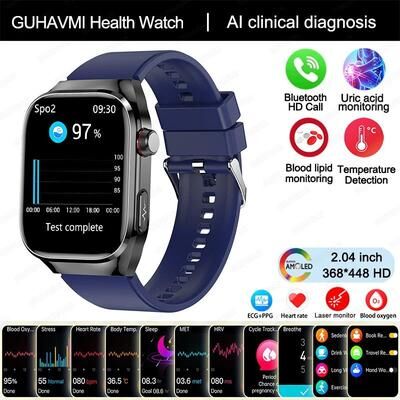
Inspire Select 2025 Health Smart Watch AMOLED Bluetooth Call Fitness Tracker With ECG & Wellness Monitoring blueStay connected while monitoring your daily wellness with this advanced health smart watch designed for fitness, lifestyle tracking, and smart convenience. Featuring a stunning AMOLED smartwatch display, Bluetooth calling, ECG monitoring, and...299,95 $*Shipping: 0,00 $Secure redirect to the provider
-
Why do organisms get larger from trophic level to trophic level?
Organisms tend to get larger from one trophic level to the next because as energy is transferred up the food chain, there is a loss of energy at each level. This means that organisms at higher trophic levels need to consume larger quantities of organisms from lower trophic levels to obtain enough energy to sustain themselves. Additionally, larger organisms are more efficient at capturing and consuming prey, allowing them to thrive at higher trophic levels. Finally, larger organisms have a lower surface area to volume ratio, which helps them retain heat and energy more effectively. **
-
Why does the biomass decrease from trophic level to trophic level?
Biomass decreases from trophic level to trophic level because energy is lost as it moves through the food chain. Organisms at each trophic level use some of the energy they consume for their own metabolic processes, such as respiration and movement, and the rest is lost as heat. This means that there is less energy available to be passed on to the next trophic level, resulting in a decrease in biomass. Additionally, not all of the energy from one trophic level is consumed by the next level, as some is lost through waste and uneaten parts of organisms. **
-
What are trophic levels in biology?
Trophic levels in biology refer to the hierarchical levels in an ecosystem where organisms are grouped based on their feeding relationships. The primary producers, such as plants, are at the base of the trophic levels as they convert sunlight into energy through photosynthesis. Herbivores that feed on plants are at the next level, followed by carnivores that eat herbivores. Each trophic level represents a transfer of energy and nutrients through the ecosystem, with energy decreasing as it moves up the levels. **
-
What is the trophic level of omnivores?
Omnivores are organisms that consume both plants and animals, so their trophic level can vary. When they consume plants, they are considered primary consumers (herbivores) and when they consume animals, they are considered secondary consumers (carnivores). This means that omnivores can occupy multiple trophic levels within a food web, depending on their diet. **
* All prices are inclusive of VAT and, if applicable, plus shipping costs. The offer information is based on the details provided by the respective shop and is updated through automated processes. Real-time updates do not occur, so deviations can occur in individual cases. ** Note: Parts of this content were created by AI.